The official travel blog of MO GORGAR. Discover Egypt with us
MO GORGAR Official Travel Blog
Ancient Thebes · Upper Egypt

The MO GORGAR destination guide

Luxor Egypt Travel Guide: Temples, Tombs & Things to Do

Step into the world of the pharaohs with our comprehensive Luxor Egypt travel guide. From monumental temples and vivid royal tombs to timeless Nile journeys, discover the absolute best places to visit in Luxor along the East and West Banks.

Plan your ultimate trip to Luxor with expert insights, practical attraction breakdowns, and cultural highlights that connect ancient history with everyday life on the Nile.

History & heritage East & West Bank Nile experiences
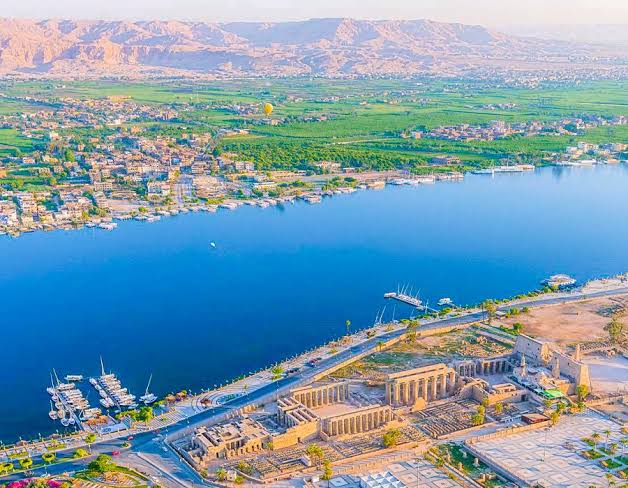
Ancient monuments in Luxor, the historic city of Thebes in Upper Egypt

The ancient city of Thebes

Where the stories of ancient Egypt still live.

Before you explore

Why is Luxor so important?

Modern Luxor occupies the site of ancient Thebes, the glorious religious and political capital of Egypt during the New Kingdom. Often celebrated as the world's greatest open-air museum, Luxor preserves an incomparable concentration of monumental temples, painted royal tombs, and sacred landscapes that chronicle pharaonic ambition and artistry.

Geographically, the Nile River divides Luxor into two distinct zones. The bustling East Bank houses magnificent monuments dedicated to the gods and royal jubilees—principally Karnak Temple and Luxor Temple—while the rugged West Bank serves as a quiet necropolis containing the Valley of the Kings, royal mortuary temples, and ancient worker settlements.

When planning a trip to Luxor, viewing these monuments as a unified sacred landscape helps reveal how ancient Egyptian religion, kingship, and beliefs about the afterlife shaped an entire civilization.

Explore the city

The essential Luxor travel guide

Start with the great temples of the East Bank, journey across the Nile into the royal burial grounds of the West Bank, and conclude with unforgettable river and aerial adventures.

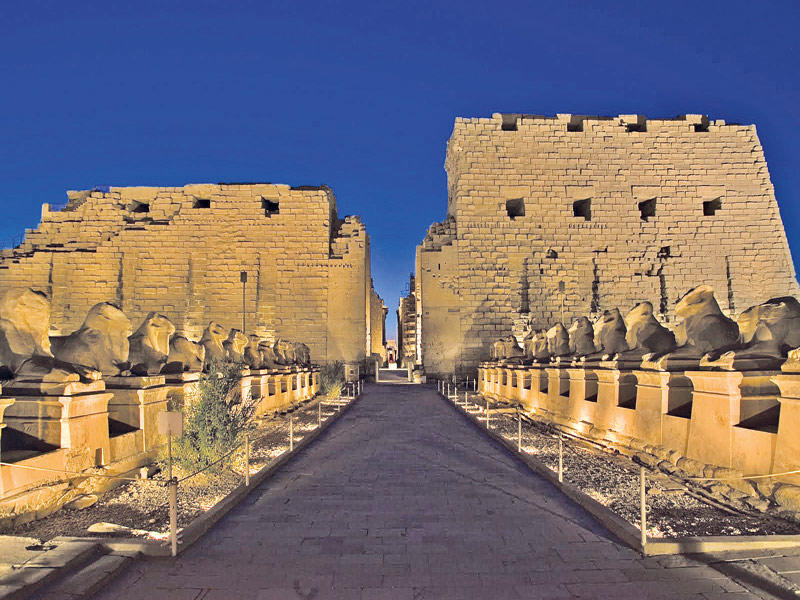
The monumental columns and ancient stone architecture of Karnak Temple in Luxor

East Bank · Ancient religion

1. Karnak Temple: A City of Sacred Monuments

As one of the absolute best places to visit in Luxor, Karnak Temple is the largest ancient religious complex ever built. Constructed and expanded over more than a millennium by successive pharaohs, it served as the prime cult centre for the god Amun-Ra.

The complex's crowning achievement is the awe-inspiring Great Hypostyle Hall, featuring 134 massive sandstone columns covered in intricate hieroglyphs and colorful reliefs. Towering obelisks, sacred lakes, and monumental pylon gateways illustrate the profound devotion and political power of New Kingdom rulers.

Look for: the staggering scale of the papyrus-bud columns, preserved pigments on upper architraves, and the sacred scarab beetle statue near the sacred lake.

Visit tip: arrive right at opening time to experience the Hypostyle Hall in peaceful morning light before tour groups arrive.
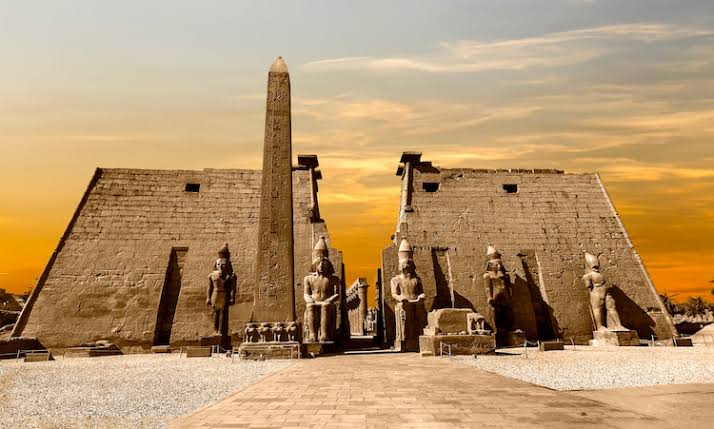
Ancient columns and monumental architecture at Luxor Temple in Egypt

East Bank · Royal ceremonies

2. Luxor Temple: A Monument to Kingship

Situated right in the heart of the modern city along the Nile corniche, Luxor Temple was dedicated to the rejuvenation of kingship rather than a specific state deity. Major construction was undertaken by Amenhotep III and Ramesses II, creating a stunning architectural masterpiece.

In ancient times, Luxor Temple was linked directly to Karnak by the three-kilometer-long Avenue of Sphinxes. It served as the focal point for the annual Opet Festival, where divine barques carrying statues of Amun, Mut, and Khonsu were ceremonially sailed down the Nile.

Key features include the towering pylon gateway guarded by seated statues of Ramesses II, the remaining granite obelisk (its twin now stands in Paris's Place de la Concorde), and the serene solar court of Amenhotep III.

Visit tip: Luxor Temple is exceptionally magical when illuminated at night against the desert sky.

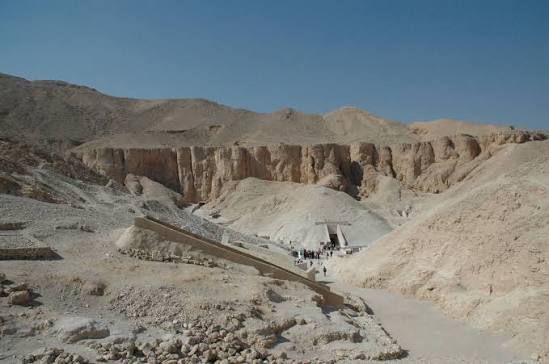
The rugged desert landscape surrounding the royal tombs in the Valley of the Kings

West Bank · Royal tombs

3. Valley of the Kings: Inside the Pharaohs' Afterlife

Tucked away in the arid limestone hills of Luxor's West Bank, the Valley of the Kings served as the final resting place for New Kingdom pharaohs, including Ramsesses II, Seti I, and the boy-king Tutankhamun. Abandoning pyramids to deter grave robbers, architects tunneled deep into the mountain.

The subterranean burial chambers and descending corridors are adorned with vibrant painted reliefs and sacred funerary texts—such as the Book of the Dead and Amduat—designed to guide the deceased monarch through the hazards of the underworld toward eternal rebirth.

General admission covers entry to a selection of open tombs, while premier tombs like Seti I or KV9 (Ramesses V & VI) require supplemental specialty tickets for optimal preservation and viewing.

Visit tip: photography inside standard tombs requires a special photo permit; strictly observe all conservation guidelines to protect ancient wall paints.

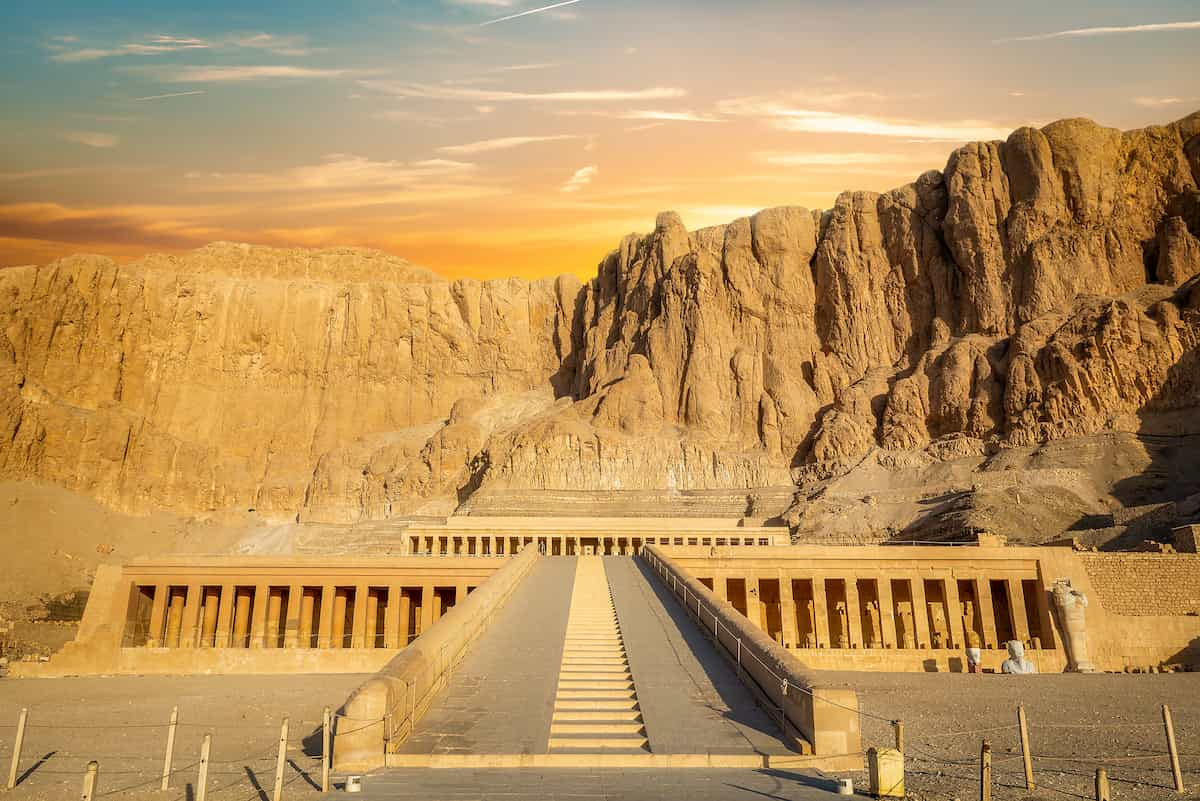
The terraced mortuary temple of Queen Hatshepsut at Deir el-Bahari near Luxor

West Bank · Female pharaoh

4. Hatshepsut Temple: The Legacy of a Remarkable Ruler

Set against the sheer limestone cliffs of Deir el-Bahari, the Mortuary Temple of Queen Hatshepsut is an architectural marvel of the ancient world. Designed with sweeping colonnades, wide terraces, and symmetrical ramps, it harmonizes effortlessly with the dramatic desert backdrop.

Hatshepsut, one of Egypt's most successful female pharaohs, used her temple's brightly painted reliefs to legitimize her reign, depicting her divine birth by Amun and her legendary trading expedition to the exotic land of Punt.

The monument stands as a testament to classical ancient architecture and the enduring political narrative crafted by one of Egypt's most visionary monarchs.

Visit tip: shaded electric trams transport visitors from the ticket gate to the main entrance terrace, making arrival comfortable in the midday sun.

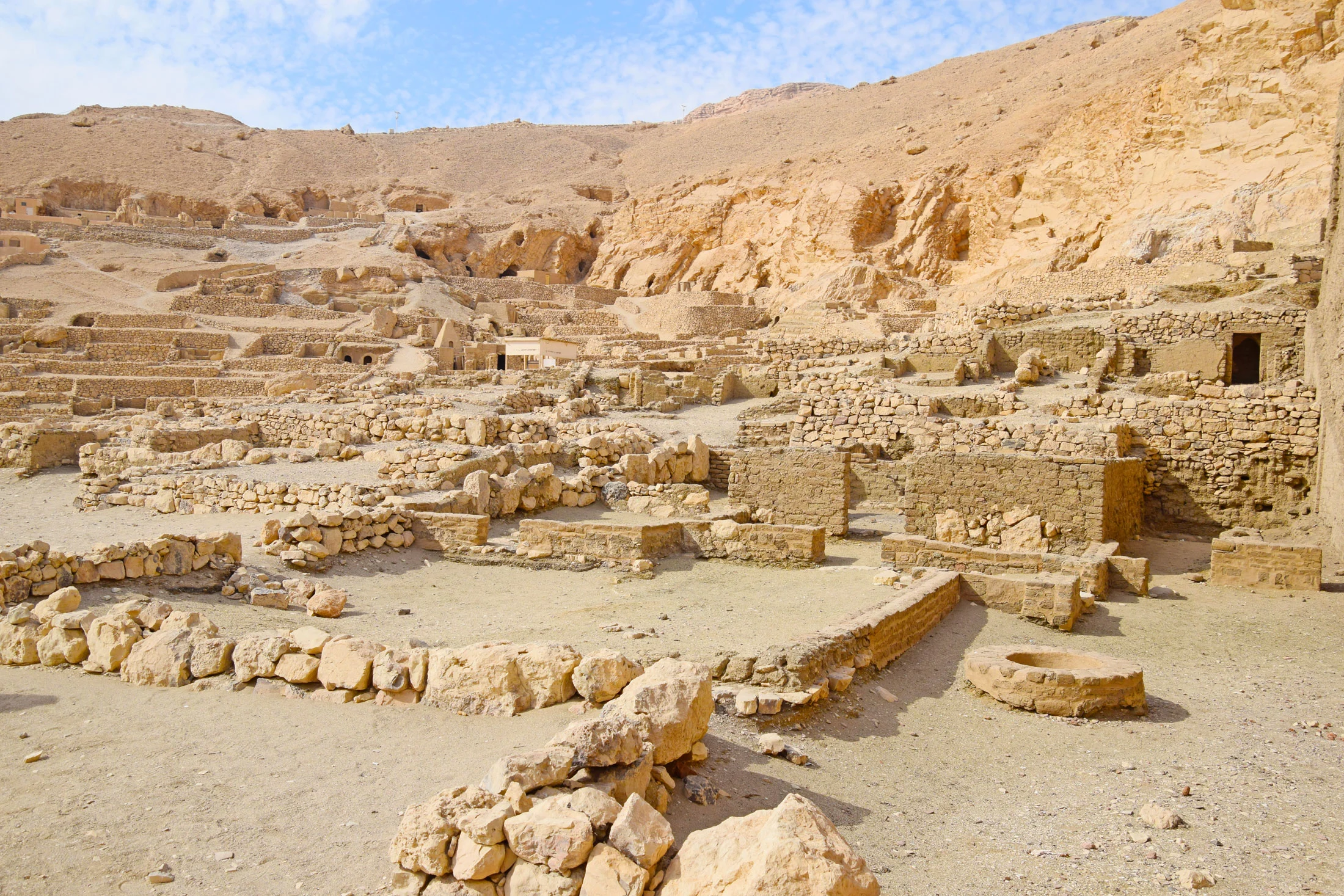
The remains of houses and colorful painted tombs at the ancient workmen's village of Deir el-Medina in Luxor

West Bank · Everyday life

5. Deir el-Medina: The Village Behind the Royal Tombs

Deir el-Medina provides fascinating insight into everyday life in ancient Egypt. This secluded walled settlement housed the skilled artisans, stonecutters, and painters who excavated and decorated the royal tombs in the Valley of the Kings.

The archaeological site preserves the foundations of ancient stone houses, community shrines, and the intimate rock-cut tombs of the workers themselves. The colorful tomb paintings here depict domestic life, banquets, and daily religious worship rather than royal funeral rites.

Extensive papyri discovered at the site record ancient court cases, labor strikes, poetry, and personal letters, offering an unprecedented window into the human side of pharaonic civilization.

Visit tip: often less crowded than major temples, Deir el-Medina is a rewarding, must-see stop for history enthusiasts.

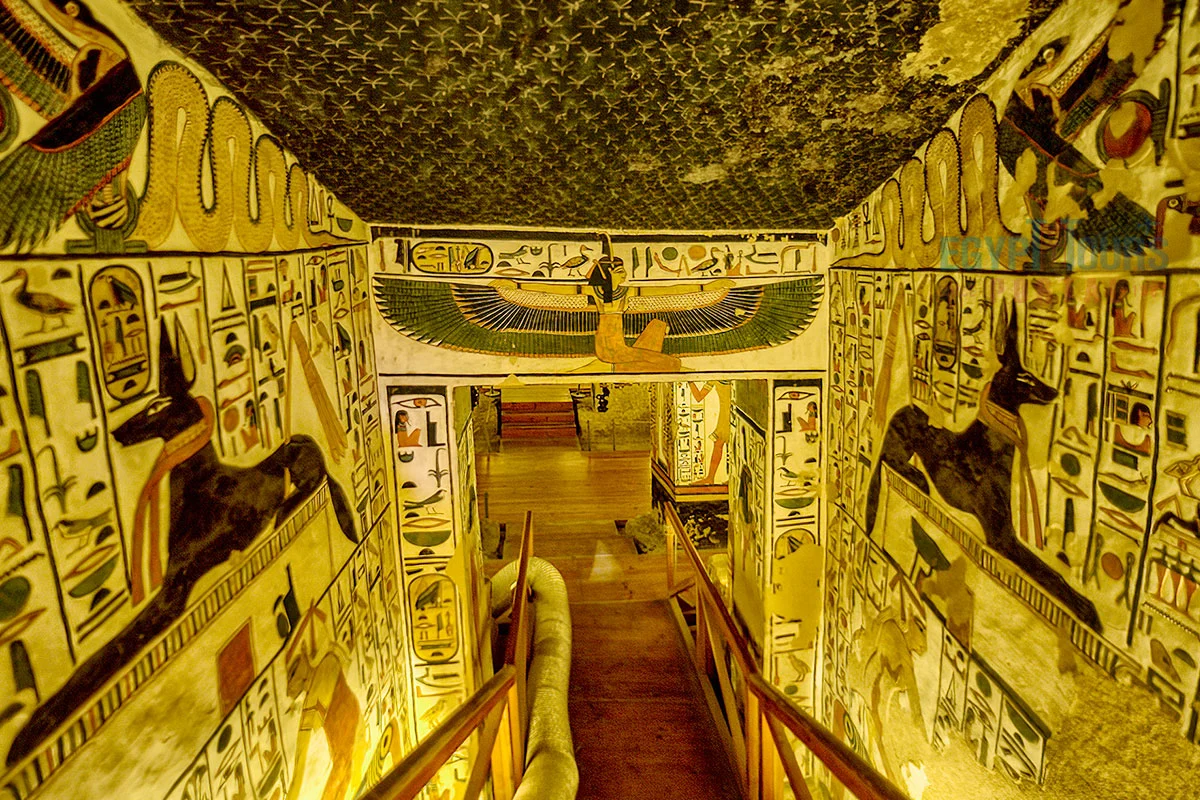
The vibrant wall paintings and rock-cut tombs in the Valley of the Queens in Luxor

West Bank · Royal family

6. Valley of the Queens: Tombs of Royal Women and Children

Located further south in the Theban hills, the Valley of the Queens served as the burial place for royal wives, princes, and princesses of the Nineteenth and Twentieth Dynasties. Over 80 tombs have been identified in this peaceful wadi.

The crown jewel of the valley is the tomb of Queen Nefertari, the beloved principal wife of Ramesses II. Its legendary wall paintings are celebrated for their breathtaking detail, vibrant pigments, and refined artistic execution.

Exploring the Valley of the Queens alongside the Valley of the Kings offers a complete perspective on royal funerary customs and elite artistry in ancient Thebes.

Visit tip: entrance to Queen Nefertari's tomb requires a specialized conservation ticket and has strict time limits per visitor.

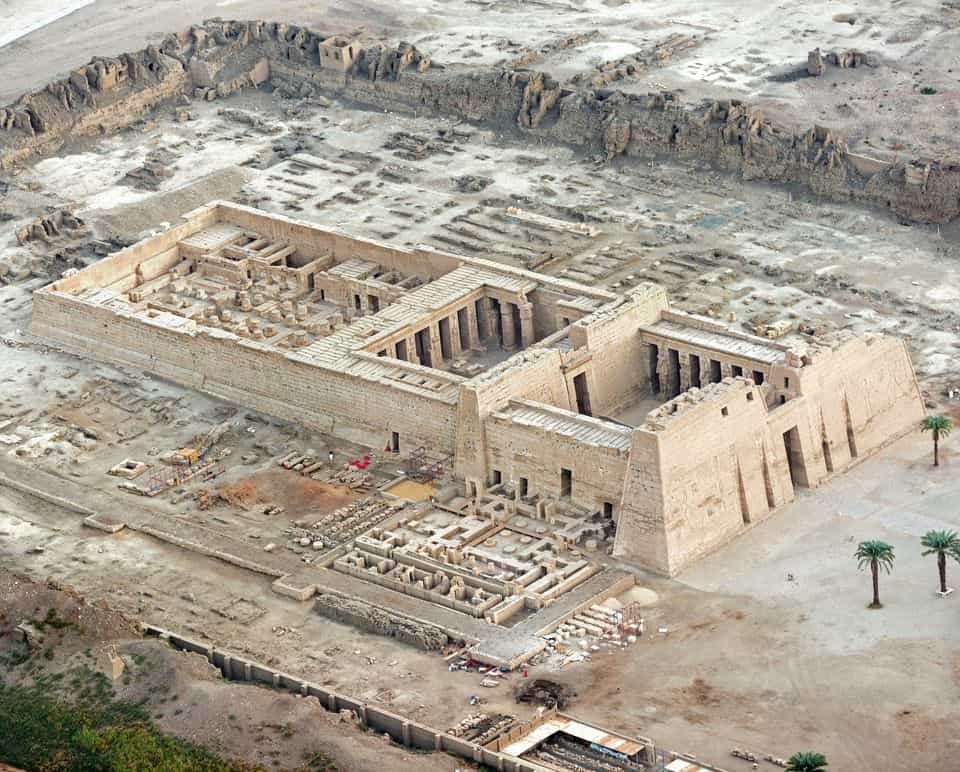
The massive fortified stone pylon and reliefs at the mortuary temple of Ramesses III in Medinet Habu

West Bank · Ramesses III

7. Medinet Habu: The Temple of Ramesses III

Medinet Habu is home to the Mortuary Temple of Ramesses III, one of the best-preserved and most visually striking monuments on the West Bank. Enclosed by massive mudbrick defensive fortifications, the complex features towering pylons and expansive pillared courtyards.

The outer walls are covered in remarkable historical reliefs documenting Ramesses III's fierce naval and land battles against the mysterious "Sea Peoples," providing crucial historical records of ancient Mediterranean conflicts.

Because it attracts fewer crowds than Karnak or the Valley of the Kings, Medinet Habu allows visitors to examine exceptionally deep, well-preserved hieroglyphic carvings and original ceiling pigments in tranquil surroundings.

Visit tip: allocate at least an hour here to fully explore the fortified migdol gateway and inner sanctuary colonnades.

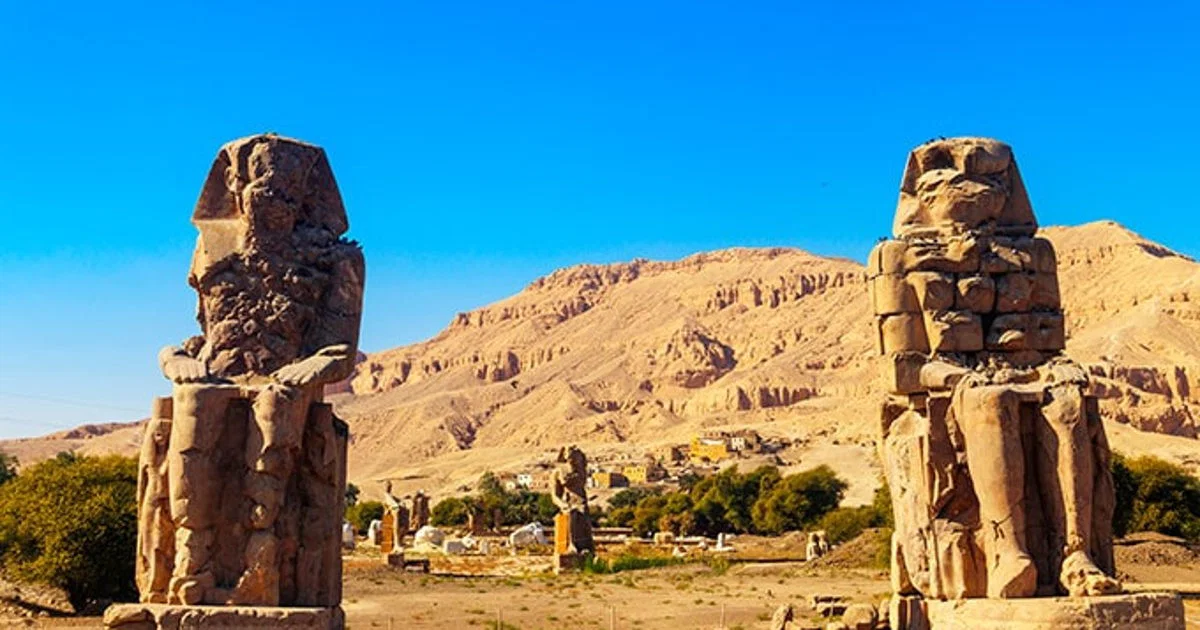
The colossal twin statues of Amenhotep III known as the Colossi of Memnon on Luxor's West Bank

West Bank · Monumental statues

8. Colossi of Memnon: Guardians of a Lost Temple

Rising proudly out of agricultural fields on the West Bank road, the Colossi of Memnon are two massive stone statues representing Pharaoh Amenhotep III. Standing roughly 18 meters tall, they originally guarded the entrance to his colossal mortuary temple, which was largely destroyed by ancient earthquakes and Nile floods.

In Greco-Roman antiquity, earthquake damage caused one of the statues to emit a haunting musical sound at sunrise. This phenomenon fascinated classical travelers, who mistakenly identified the figure as Memnon, a hero of Trojan War mythology.

Today, these iconic guardians serve as a popular and accessible roadside landmark welcoming travelers into the archaeological heart of the West Bank.

Visit tip: a quick 5-to-10-minute photo stop makes this an effortless addition to any West Bank sightseeing itinerary.

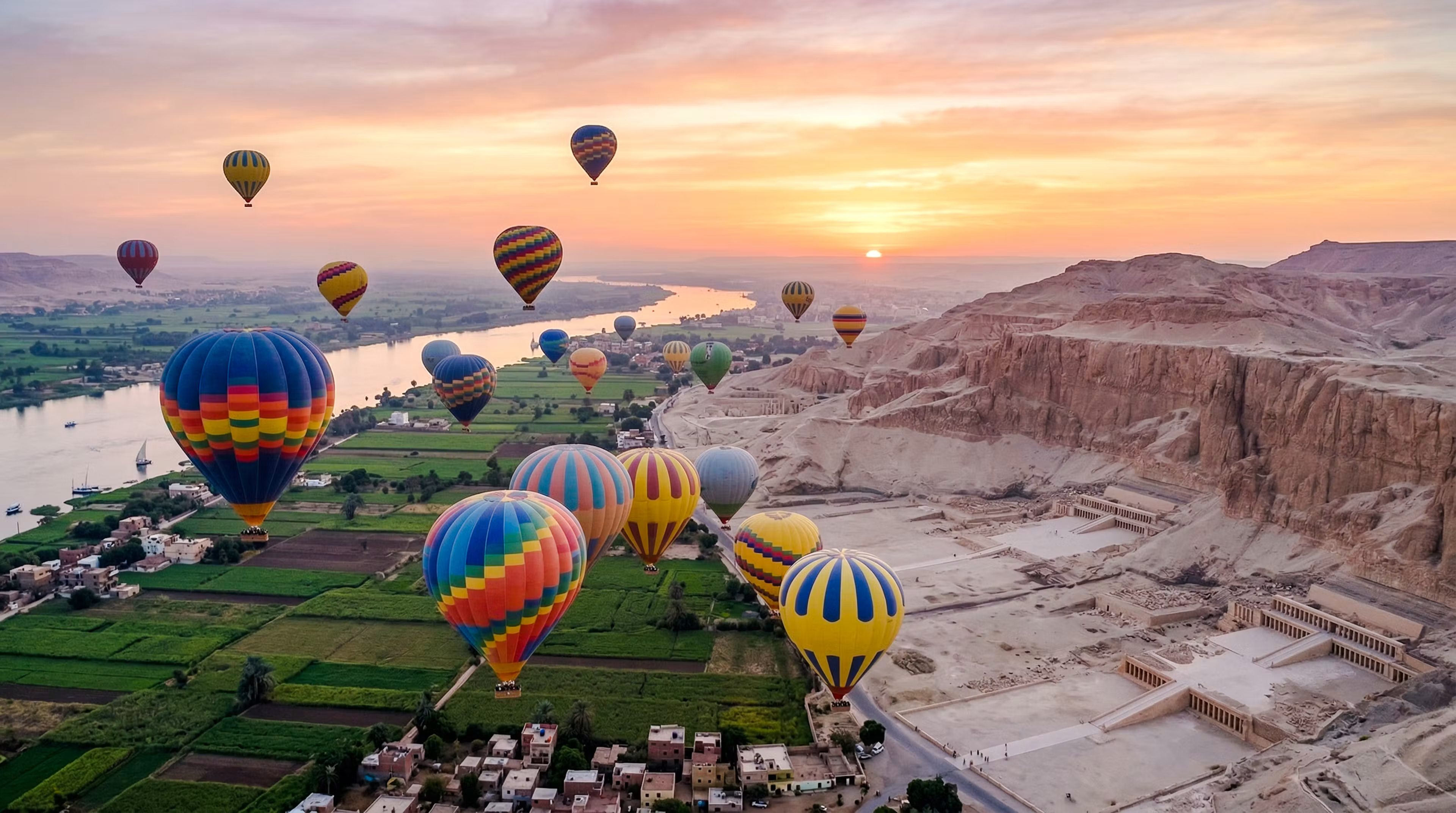
Hot-Air Balloon Rides: See Luxor at Sunrise

Aerial views · Sunrise

9. Hot-Air Balloon Rides: See Luxor at Sunrise

For one of the most unforgettable experiences in Egypt, take to the skies in a hot-air balloon at dawn. Floating hundreds of meters above Luxor's West Bank offers breathtaking panoramic views of ancient temples, green agricultural fields, and the winding Nile River bathed in golden morning light.

From this vantage point, the spatial relationship between the river, rural villages, and royal burial valleys becomes instantly clear in a way ground-level tours cannot replicate.

Flights are strictly dependent on weather conditions and aviation clearance. Always book through certified, licensed operators adhering to rigorous safety standards.

Visit tip: hotel pickups typically occur before dawn (around 4:30 AM to 5:00 AM depending on the season); keep your travel schedule flexible.

Felucca Sailing: A Quieter Side of the Nile

The Nile · Slow travel

10. Felucca Sailing: A Quieter Side of the Nile

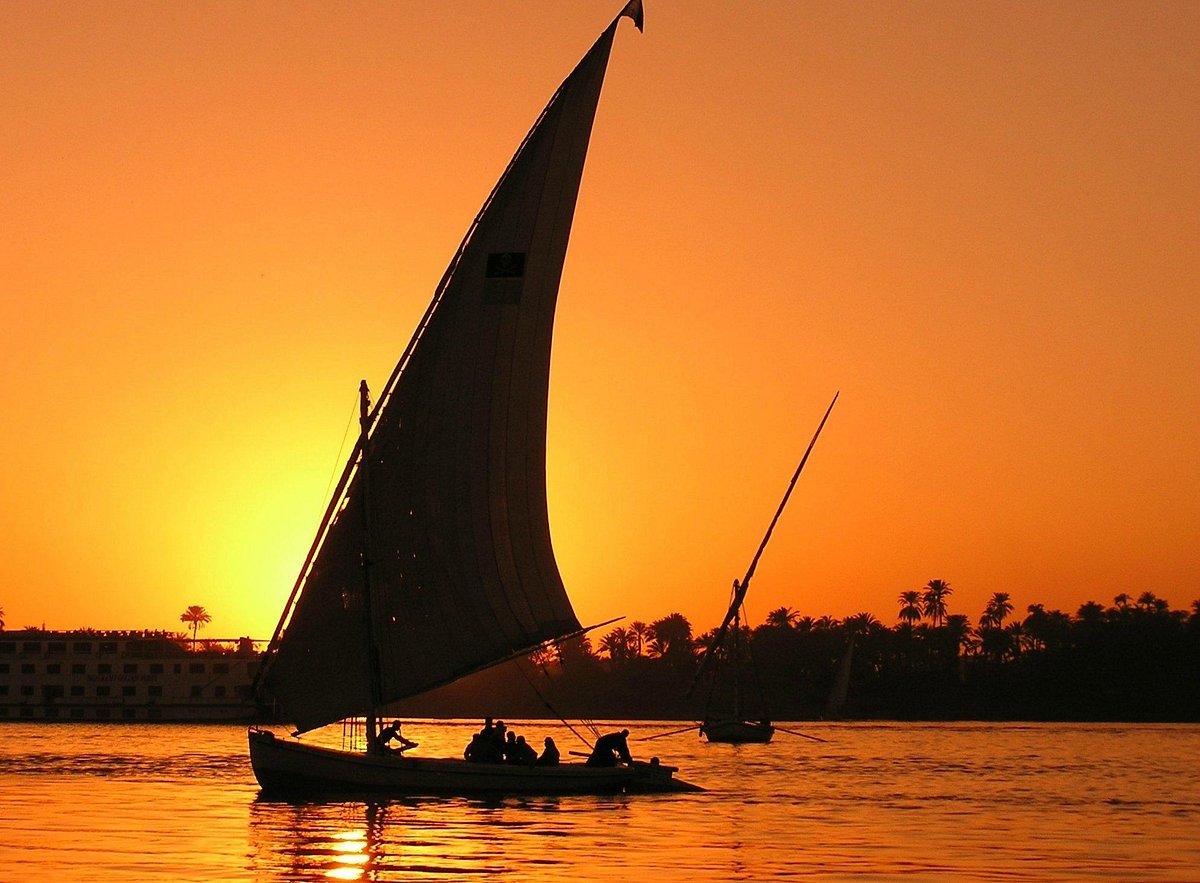
Unwind after a busy day of temple exploration by gliding down the Nile on a traditional wooden felucca. Powered entirely by the gentle river breeze, these timeless sailboats offer a peaceful, eco-friendly way to experience the legendary waterway.

Sailing past banana islands, local fishing boats, and palm-lined riverbanks provides a serene connection to daily life along the Nile, especially during late afternoon when the sun sets behind the western desert hills.

Be sure to negotiate and agree upon the charter duration and price with the skipper before stepping aboard to ensure a relaxing, hassle-free journey.

Visit tip: sunset sails offer the most dramatic lighting for photography across the river.

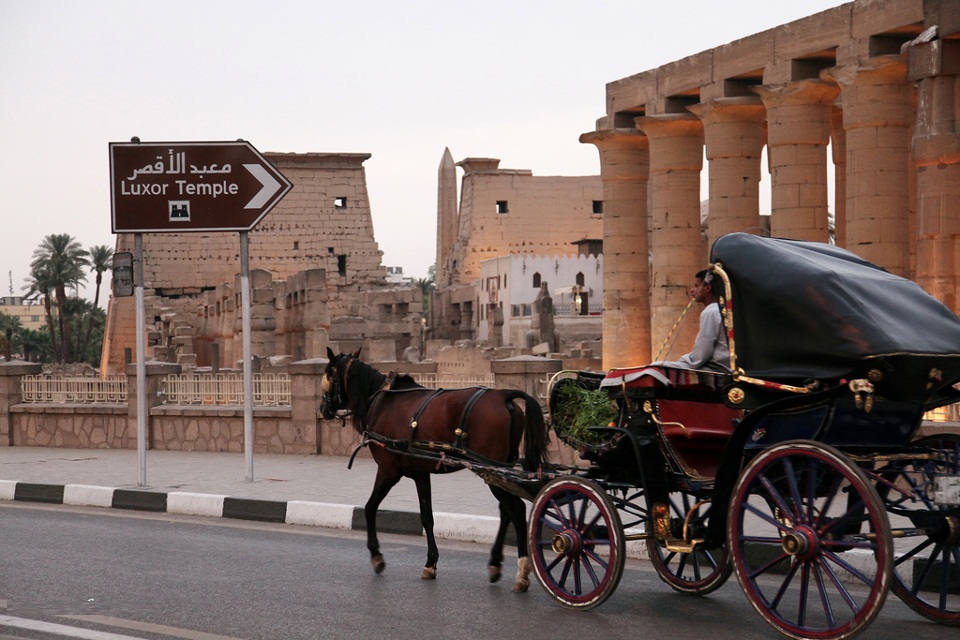
A traditional horse-drawn carriage or caleche waiting by the street in Luxor

Local culture · City streets

11. Horse Carriages: Experience Traditional Luxor

Traditional horse-drawn carriages, known locally as caleches, are a classic fixture of Luxor's streets. Taking a carriage ride offers an old-fashioned way to navigate between downtown Luxor, local bazaars, and riverfront promenades.

While offering an alternative to modern vehicles, travelers should prioritize animal welfare by selecting reputable drivers whose horses appear well-fed, energetic, and properly cared for.

Always confirm the exact route and total fare clearly before starting your ride to ensure a pleasant experience.

Visit tip: walking or hiring licensed private taxis are convenient alternatives for longer crosstown journeys.

Your Journey Starts Here

How to Book Your Luxor Tour

Discover how easy it is to plan your Luxor experience with MO GORGAR. Choose your tour, send us your request, and let our team help organize the details of your Egyptian adventure.

01

Explore Luxor Tours

Discover our Luxor tour programs, from ancient temples and royal tombs to memorable Nile experiences and local activities.

02

Choose Your Program

Select the experience that best matches your interests, available time, travel dates and preferred way to discover Luxor.

03

Share Your Trip Details

Prepare your preferred travel date, number of travelers and any special requests to help our team understand what you need.

04

Submit Your Inquiry

Complete the inquiry form for your selected program and send your request to MO GORGAR. Our team can then review your preferences.

05

Book Your Luxor Tour

Ready to begin? Visit our Luxor tours page, choose your preferred program and submit your booking request. Our team will help coordinate the details with you.

Book Your Tour

Before you go

Frequently asked questions about Luxor

How many days should I spend in Luxor?

Allocating two to three full days in Luxor is ideal. This allows ample time to tour the East Bank temples, explore the royal tombs and mortuary monuments on the West Bank, and enjoy optional activities like hot-air ballooning or a relaxing Nile felucca cruise.

What is the difference between the East Bank and West Bank?

The East Bank represents the land of the living, housing grand religious sanctuaries such as Karnak and Luxor Temples. The West Bank represents the realm of the dead, containing royal burial grounds like the Valley of the Kings and magnificent mortuary temples.

Is a hot-air balloon ride guaranteed to take place?

No. Hot-air balloon flights are entirely subject to morning weather conditions and civil aviation safety clearances. Always review your operator's rescheduling and refund policies before booking.

Can I visit all the major monuments in one day?

While whirlwind one-day tours can touch upon a few absolute highlights (such as Karnak and the Valley of the Kings), trying to see both banks in a single day is exhausting and rushed. Spreading visits across multiple days ensures a much more rewarding experience.

Do ticket prices and opening times stay the same?

No. Entrance fees, site opening hours, and tomb rotation schedules are subject to periodic updates by Egypt's Ministry of Tourism and Antiquities. It is always wise to confirm current official guidelines prior to your visit.